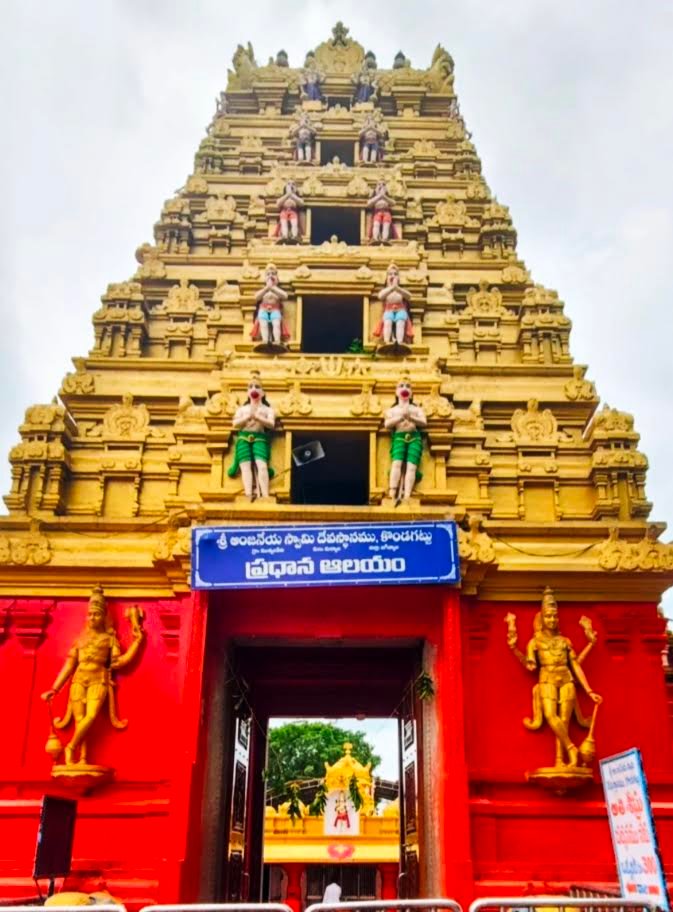
Jagtial, Sept.26: On the occasion of World Tourism Day, Jagtial district is being highlighted as a premier destination in Telangana that seamlessly integrates ancient history, deep spiritual traditions, and breathtaking natural landscapes along the Godavari River. Emphasizing the urgent need for eco-friendly and responsible tourism, officials and community leaders are advocating for practices that safeguard the region’s delicate environment and historical heritage while boosting the local economy for future generations.
Jagtial hosts an extraordinary variety of spiritual and historical landmarks that draw visitors from across the state. The renowned Kondagattu Anjaneya Swamy Temple, set amidst picturesque green hills, stands as a major pilgrimage center, while Dharmapuri offers a serene spiritual retreat on the banks of the Godavari alongside the historic Sri Lakshmi Narasimha Swamy Temple. The star-shaped Jagtial Fort serves as a living testament to past architectural brilliance and administrative history.
Additionally, Kotilingala highlights ancient civilization as the first capital of the Satavahanas near the Godavari-Peddavagu confluence, while Valgonda showcases remarkable Chalukyan-style Trikutalaya temple art on a sloping hill above the river. Neighboring areas like Raikal and Metpally present vibrant opportunities for rural tourism, showcasing local agricultural life, traditional food, and folk arts.
To fully realize the district’s potential, authorities recommend creating integrated travel circuits connecting Kondagattu, Dharmapuri, Jagtial Fort, and Kotilingala. However, development must prioritize ecological balance over excessive concrete construction. Strict waste management, total bans on single-use plastics, and preventing the pollution of the sacred Godavari River are vital measures required from every visitor. Furthermore, instilling environmental awareness among students and involving local youth in conservation efforts will ensure these sites remain preserved.
Beyond heritage protection, sustainable tourism provides direct economic advantages to local residents. Developing homestays, hiring local youth as tourist guides, and promoting handlooms, handicrafts, and regional delicacies made by women’s self-help groups can create sustainable livelihoods. By balancing infrastructural development with strict environmental care, Jagtial aims to establish itself as a national model for responsible, heritage-focused travel.
About the Author